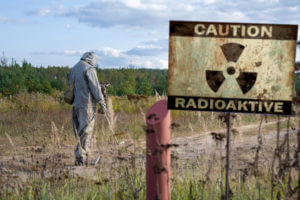
People living near nuclear testing sites faced significant danger during the middle of the twentieth century. The government conducted numerous atmospheric nuclear tests during this time.
These tests released dangerous radioactive particles into the air. The wind carried these toxic materials across nearby states. People who lived in the path of this fallout are known as downwinders.
So, what are the long-term health effects of radiation exposure on downwinders? In short…
- Cancer risk is elevated. Severe radiation exposure increases the chance of developing multiple types of cancer.
- Immune dysfunction occurs frequently. Many downwinders experience autoimmune conditions and chronic health issues later in life.
- Compensation is available today. Affected residents can file a claim for tax-free financial relief.
Many residents inhaled or consumed these dangerous particles without knowing the risks. Communities trusted the information provided by officials at the time. Unfortunately, the true medical consequences became apparent years later.
We now understand the severe medical conditions linked to this contamination. Medical professionals have studied these communities to determine the exact health impacts. This article explains the medical realities and the compensation available for victims.
How Does Radiation Exposure Harm the Body?
Understanding the impact of radioactive materials requires a look at human biology. Radiation carries enough energy to damage the DNA inside human cells.
When DNA breaks, cells can mutate and grow out of control. This uncontrolled growth often leads to cancer and other serious diseases. According to the Centers for Disease Control and Prevention, the body can repair minor damage. However, large amounts of radiation overwhelm the natural repair systems of the body.
Different radioactive isotopes target different organs in the body. For example, radioactive iodine accumulates heavily in the thyroid gland. This accumulation increases the likelihood of thyroid cancer over time. Strontium acts like calcium and settles deep inside the bones.
What Are the Common Types of Cancer?
Many downwinders suffer from specific cancers linked to fallout. Leukemia is one of the most common diseases seen in these communities. Leukemia affects the blood and bone marrow.
Other prevalent cancers include lung cancer, breast cancer, and stomach cancer. The Mayo Clinic notes that symptoms of these cancers might not appear for decades. This delay makes early detection and regular medical screening incredibly important for downwinders.
Some patients require surgery, chemotherapy, or medications like levothyroxine (Synthroid) for thyroid issues. Doctors carefully monitor patients for any signs of abnormal cell growth.
Are There Noncancerous Health Conditions?
Yes, fallout can cause numerous noncancerous health problems. Many individuals develop benign tumors that still require invasive surgical removal. Thyroid nodules are exceptionally common among people exposed to radioactive iodine.
Autoimmune diseases also appear frequently in these populations. The immune system mistakenly attacks healthy tissues and organs. Patients often experience severe fatigue, joint pain, and chronic inflammation.
How Can Doctors Detect These Health Issues?
Medical professionals use various diagnostic tools to identify these diseases early. A simple physical examination is usually the first step in the process.
Doctors often order a CT scan or an X-ray to look for tumors. These tests provide detailed images of the internal organs.
Blood tests can reveal abnormalities in blood cell counts or organ function. A regular Pap exam is crucial for detecting cervical changes in women. Early diagnosis drastically improves the success rate of available medical treatments.
What Should Downwinders Tell Their Doctors?
Patients must inform their healthcare providers about their historical residence. Mentioning the exact years and locations helps doctors understand the specific risks.
You should ask your doctor for comprehensive cancer screenings. Request specific tests for thyroid function and bone marrow health. Open communication ensures that you receive the most appropriate preventative care.
Keep detailed records of any symptoms, changes in energy levels, or new pain. Do not ignore unusual symptoms that persist for more than a few days.
What Financial Help Is Available for Radiation Exposure in Southern Nevada, Southern Utah, and Northern Arizona?
The federal government recognizes the harm caused by historic nuclear testing. Lawmakers created the Radiation Exposure Compensation Act to help victims.
This program provides financial relief to individuals who have developed specific diseases. Eligible individuals can receive $100,000 in tax-free compensation. This money helps cover expensive medical bills and lost wages.
Filing a claim requires specific documentation and medical records. You must prove your residence in an affected area during the designated time frames. You must also provide official medical records confirming an eligible diagnosis.
The process can feel overwhelming for people dealing with serious illnesses. You do not have to navigate this complex legal system alone. We specialize in helping residents of Southern Nevada, Southern Utah, and Northern Arizona.
Our team understands the specific requirements of the Downwinders claims process. We can help you gather the necessary paperwork, complete the Downwinders claim forms, and file your claim efficiently.
Please call us at (855) 631-7197 to learn more about how we can assist you. Contact us afterward to start your application.
 Downwinders® Claims