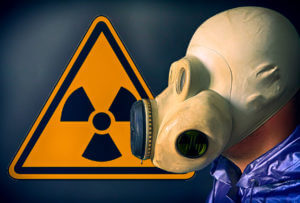
Radiation exposure does not always guarantee that an individual will develop cancer.
While high doses of radiation can significantly increase the risk of disease, developing cancer depends on various factors such as the dose, duration of exposure, and individual genetics.
- Dose And Duration Matter. The higher the dose and the longer the exposure to radiation, the greater the risk of cellular damage.
- Type Of Radiation. High-energy ionizing radiation is far more dangerous than low-energy non-ionizing radiation.
- Individual Health Factors. Genetics and overall health play a massive role in whether radiation damage leads to illness.
Many people wonder about the exact risks associated with radiation. Understanding the science behind these risks is critical for individuals who lived near nuclear test sites.
Understanding Cancer from Radiation Exposure
Cancer from radiation exposure occurs when high-energy particles or waves damage the DNA inside living cells. When cells are damaged by radiation, they can sometimes repair themselves perfectly.
However, if the repair process is flawed, the cell may begin to mutate and multiply out of control. This uncontrolled growth is what eventually forms a cancerous tumor. It is important to note that this process does not happen overnight.
Often, it takes decades for cancer from radiation exposure to become detectable by medical professionals. This long latency period is why many individuals exposed to atmospheric nuclear tests in the mid-20th century are only now receiving diagnoses.
Types Of Radiation and Their Risks
Not all radiation is the same. Non-ionizing radiation includes radio waves and microwaves, which do not have enough energy to damage DNA directly.
Ionizing radiation has enough energy to remove tightly bound electrons from atoms. This type of radiation includes X-rays, gamma rays, and the radioactive fallout from nuclear weapons testing.
When people talk about the dangers of nuclear fallout, they are referring to ionizing radiation. This is the specific type of energy that significantly increases the risk of developing malignant tumors and leukemia.
The Link Between Nuclear Weapons Tests and Cancer
During the 1950s and 1960s, the United States government conducted numerous atmospheric nuclear tests at the Nevada Test Site. These tests released massive clouds of radioactive materials into the atmosphere.
Wind currents carried these toxic clouds across vast distances, settling over unsuspecting communities in Arizona, Idaho, Nevada, New Mexico, and Utah. The people living in these areas became known as “downwinders” because of their geographic location relative to the test site.
Residents inhaled contaminated air, drank tainted milk from local cows, and ate crops covered in radioactive dust. This prolonged internal and external exposure drastically elevated their risk for numerous health conditions.
How Fallout Affects the Human Body
When radioactive isotopes enter the human body, they behave like normal elements but emit dangerous energy over time. For example, radioactive iodine mimics regular iodine and is quickly absorbed by the thyroid gland.
Once inside the thyroid gland, the radioactive isotope continues to emit ionizing radiation directly into the surrounding tissues. This localized damage is a primary reason why thyroid cancer from radiation exposure is so prevalent among downwinders.
Other isotopes, like strontium-90, mimic calcium and settle deep within the bones. This can lead to bone cancer and various forms of leukemia over several decades.
Common Diseases Linked to Nuclear Testing
There is a well-documented list of types of cancer from radiation exposure officially recognized by the federal government as being linked to nuclear fallout. If a person develops one of these specific conditions, they may be eligible for significant financial compensation.
The Radiation Exposure Compensation Act covers numerous internal cancers. These include:
- Bile duct cancer
- Bladder cancer
- Brain cancer
- Breast cancer
- Colon cancer
- Esophageal cancer
Other covered conditions include:
- Gallbladder cancer
- Liver cancer
- Lung cancer
- Ovarian cancer
- Stomach cancer
- Thyroid cancer
Different types of leukemia and lymphomas are also covered under this federal statute.
How Medical Professionals Diagnose These Conditions
Medical professionals use a variety of advanced tools to diagnose these specific cancers. A physician with an MD or DO degree will typically start with a comprehensive physical examination and a detailed medical history.
Diagnostic imaging plays a massive role in finding tumors caused by radiation. A CT scan or an X-ray can reveal abnormal growths inside the lungs, brain, or abdominal cavity.
If a mass is discovered, an oncologist will perform a biopsy to determine if the cells are malignant. Blood tests are also utilized extensively to detect abnormalities related to leukemia and multiple myeloma.
Frequently Asked Questions (FAQ)
Below we’ve answered some of the most common questions related to cancer from radiation exposure.
Does radiation exposure always cause cancer?
No, it does not always cause cancer. The risk depends entirely on the dose, the duration of the exposure, and the specific type of radiation involved.
What is a downwinder?
A downwinder is a person who lived in specific regions of Arizona, Idaho, Nevada, New Mexico, and Utah during the atmospheric nuclear weapons tests. These individuals were exposed to radioactive fallout carried by wind currents.
Can I get compensation for my illness?
Yes, if you meet the residency requirements and have been diagnosed with a qualifying cancer, you can seek compensation. The federal government provides tax-free payments through the Radiation Exposure Compensation Act.
What if my family member passed away from cancer from radiation exposure?
Eligible surviving family members can still file a claim for compensation. The Cancer Benefits Center for Downwinders can help families gather the necessary medical and residential documentation.
How do I prove I lived in a covered area?
You can prove your residency using a variety of historical documents. Acceptable records include school transcripts, tax records, employment histories, and voting records from the 1950s and 1960s.
Do You Qualify for Compensation for Cancer from Radiation Exposure?
Navigating the complexities of federal compensation programs can be overwhelming for individuals already battling serious illnesses. The legal requirements for proving residency and medical diagnosis are incredibly strict.
If you or a loved one lived in Arizona, Idaho, Nevada, New Mexico, or Utah during the atmospheric testing years, you qualify for specialized assistance. You do not have to fight this difficult battle alone.
The Downwinders® is completely dedicated to helping victims of nuclear fallout receive the justice they deserve. Our experts understand exactly how to secure the necessary medical records and historical documents required for a successful claim.
We can help you file your claim for up to $100,000 tax-free under the Radiation Exposure Compensation Act. Contact us today using our online information request form to discuss your eligibility and start your journey toward compensation.
 Downwinders® Claims